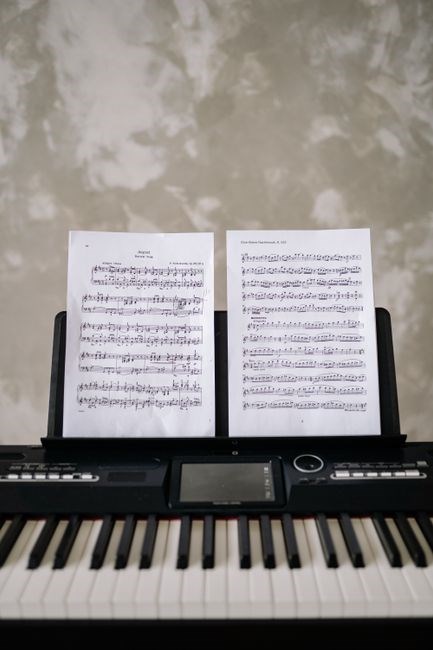
Overview of Amélie Sheet Music Availability
Amélie piano scores are widely shared online, from free MuseScore PDFs to paid Etsy downloads. Users can find solo arrangements, beginner‑grade files, and interactive MIDI versions. Many sources offer instant PDF access, making the soundtrack accessible for home practice. Download PDFs available.!
Common PDF Sources for Amélie Piano Arrangements
When searching for Amélie piano PDFs, several reliable platforms surface repeatedly. The most popular is MuseScore.com, where community members upload free, printable scores for pieces such as “La Valse d’Amélie” and “Comptine Amélie Poulain.” Users can download the PDF directly or export a MIDI file for practice. Another frequent source is Etsy, offering professionally arranged, beginner‑grade PDFs—often labeled “Grade 1 Easy Piano” or “Beginner Friendly.” These files typically come with instant download links and a small purchase fee. In addition, Free‑Sheet‑Music.com and SheetMusicPlus.com host a handful of Amélie arrangements, though many are shared under Creative Commons or public‑domain licenses. For those seeking interactive notation, Jellynote.com hosts a handful of Amélie tracks, but the PDF export is limited to a free trial. Finally, Internet Archive occasionally archives older, out‑of‑copyright scores, providing a legal avenue for free PDF downloads. Each platform has its own licensing terms, so users should verify the status before distributing or performing the music. Additionally, users can find PDFs on the official Yann Tiersen website, which occasionally offers downloadable sheet music for promotional events. For educators, the MusicNotes.com platform provides graded arrangements, allowing teachers to assign specific difficulty levels; Finally, community forums such as Reddit r/piano often share links to PDFs hosted on personal blogs or university archives, though these require careful verification. In some cases, the PDFs are bundled with audio samples, enabling students to hear the intended interpretation before attempting to play. Moreover, the Sheet Music Plus search filters allow users to narrow results by key, tempo, and arrangement style, making the hunt more.

Notable Amélie Piano Arrangements in PDF Format
Top PDFs include “La Valse d’Amélie” from MuseScore, the Grade 1 “Easy Piano” from Etsy, and the free “Comptine Amélie Poulain” on Free‑Sheet‑Music. Each offers clear notation, tempo markings, and printable pages for quick practice. ! Enjoy!!
“La Valse d’Amélie” – Solo Piano PDF
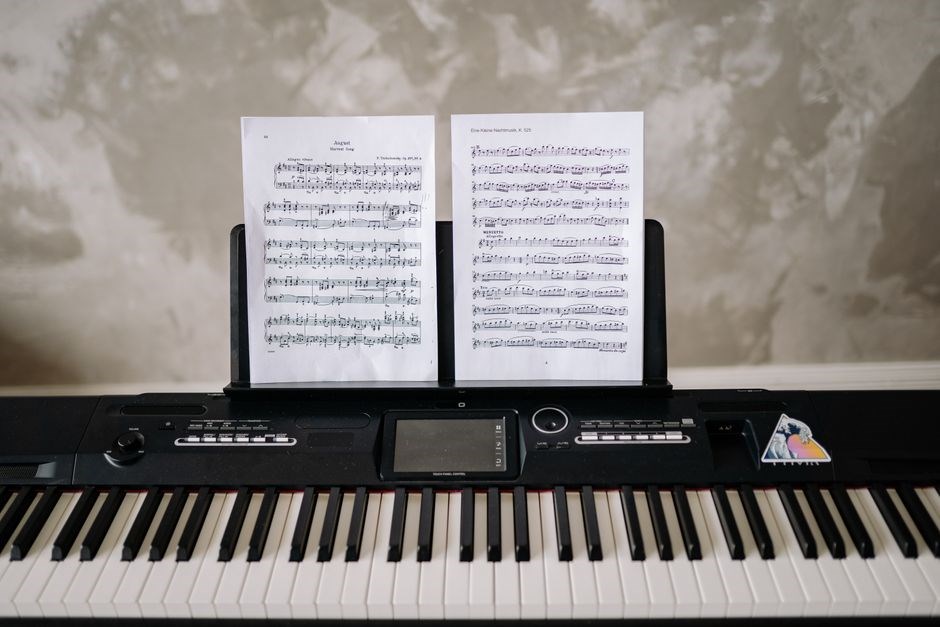
La Valse d’Amélie is a beloved piano piece from Yann Tiersen’s soundtrack, now available as a solo PDF on MuseScore. The transcription keeps the original’s gentle melody, subtle dynamics, and light pedal use. It is divided into three parts: the opening theme, a middle section that expands the harmony, and a final reprise. Tempo markings are clear, with “moderato” and “dolce” cues, and the key is F major at 120 bpm. The PDF is annotated with finger‑style suggestions, and users can add their own notes in a PDF reader that supports markup. A MIDI export is also offered, letting pianists hear the piece before practicing. The file is small, about 200 KB, and can be downloaded instantly. Because the music is still under copyright, the PDF is shared only by those who have permission, and it is not found on public‑domain sites. For advanced players, an optional version with extra pedal markings and dynamic shading is available. The arrangement also includes a brief introduction that sets the mood, and a coda that brings the piece to a gentle close. Pianists can practice each section separately, using the printed PDF to focus on phrasing and dynamics. MuseScore community shares videos for daily inspiration!! When practicing, start by playing slowly, then increase tempo. Pay attention to the rubato passages where the composer allows expressive timing. Use a metronome to maintain steady rhythm and record yourself to evaluate phrasing. Overall, the La Valse d’Amélie PDF is a concise, user‑friendly resource that captures the film’s whimsical charm.
Beginner-Friendly Arrangements for New Pianists
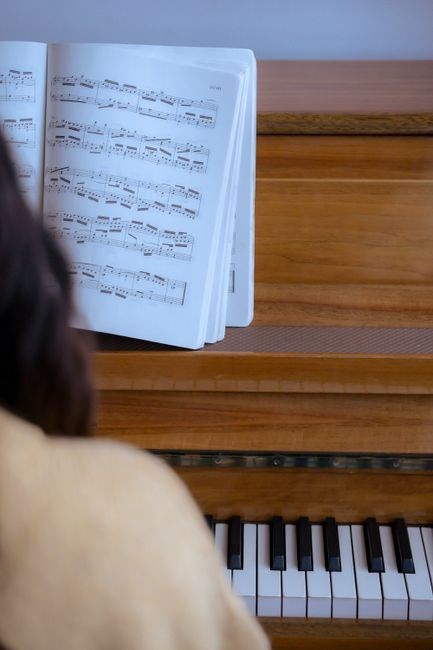
New pianists can access a Grade 1 PDF from Etsy, featuring a simplified Amélie theme with clear fingering, tempo markings, and a 4‑bar introduction. The arrangement keeps the original melody while reducing left‑hand chords, making it ideal for beginners. Download instantly!! Perfect for early play!!
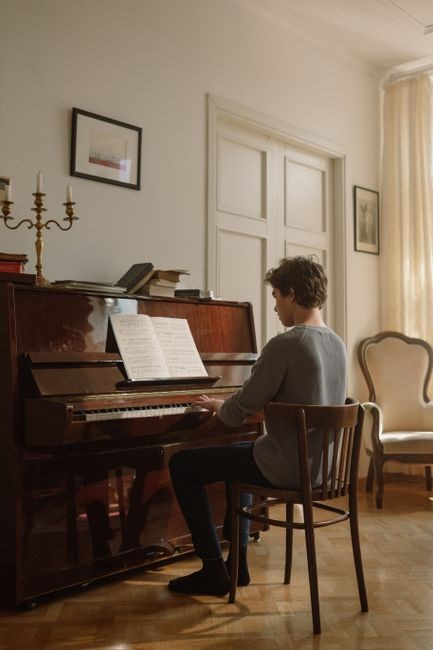
Grade 1 Easy Piano PDF from Etsy
For pianists just starting out, the Amélie – Grade 1 Easy Piano PDF available on Etsy offers a concise, approachable rendition of Yann Tiersen’s iconic theme. The file contains a single‑handed melody line, simplified harmonies, and clear fingering annotations that keep the original charm while easing technical demands. The tempo markings are indicated in metronome clicks, and the score is split into 8‑bar sections for easy practice. The PDF is downloadable instantly after purchase, and the seller provides a printable version that fits standard 8.5×11 paper. Users can print multiple copies for group lessons or home practice, and the layout is clean, with large notes and generous spacing. The arrangement also includes a short introduction that introduces the main motif, allowing beginners to build confidence before tackling the full piece. Because the file is in PDF format, it works seamlessly with most music notation software and can be opened on tablets, laptops, or phones. The arrangement’s clear notation reduces frustration and encourages consistent practice, leading to noticeable improvement in a few weeks. When you download the PDF, you’ll find a PDF icon and a download button. After clicking, the file opens in your browser’s PDF viewer, where you can zoom in to see the notes clearly. If you prefer a physical copy, simply print the PDF at 100% scale, and the sheet will fit on a single page, making it convenient for practice sessions. Students use PDF for sight‑reading practice!!

Platforms Offering Interactive Sheet Music
MuseScore hosts free PDFs and MIDI files, letting users play along with on‑screen playback. Jellynote offers interactive tabs and sheet music for Amélie, syncing tempo and key changes. These platforms provide instant access, annotate notes, and support practice modes. Use these tools to prove timing.
MuseScore’s PDF and MIDI Downloads for Amélie Pieces
On MuseScore.com, users can download La Valse d’Amélie in both PDF and MIDI formats, enabling instant printing and playback. The free sheet music offers a faithful solo piano arrangement, with clear notation and tempo markings. Because the files are open‑source, musicians can edit the PDF, add annotations, or export the MIDI to a DAW for further analysis. The platform’s community features allow rating, commenting, and sharing of user‑created arrangements, fostering a collaborative environment for Amélie fans. Additionally, the site hosts other Yann Tiersen titles, such as “Comptine Amélie Poulain,” which are similarly available in PDF and MIDI. These resources support both beginner and advanced players, providing a versatile toolkit for learning and performance. Whether you prefer a printed score or a digital file that syncs with your metronome, MuseScore supplies the necessary tools to explore the film’s iconic melodies.
Users can also collaborate by sharing their own transcriptions, which are often annotated with fingering suggestions and dynamic markings. The platform’s search function quickly locates Amélie‑related scores, and the rating system highlights the most popular arrangements. For educators, the ability to export the PDF to a music notation editor allows customization of tempo, key, or accompaniment. This flexibility makes it a valuable resource for both solo study and ensemble rehearsal. Annotate PDFs for group study!

Legal and Copyright Considerations
Amélie scores are not public domain; most PDFs are shared under Creative Commons or paid licenses. Unauthorized copies violate copyright law. Always verify the source, respect licensing terms, and use official or licensed PDFs for practice. Only licensed!
Public Domain Status of Amélie Themes and Licensing Issues
Yann Tiersen’s compositions for the film “Amélie” remain under active copyright, with the original score published in the early 2000s. Consequently, the majority of piano arrangements available online are not in the public domain. Many PDFs found on platforms such as MuseScore, Etsy, and other sheet‑music sites are distributed under specific licensing terms, ranging from Creative Commons Attribution‑ShareAlike to paid, royalty‑free agreements. Users who download or print these files must verify the license attached to each score. Some arrangements are offered under a non‑commercial Creative Commons license, allowing personal practice but prohibiting public performance or distribution without additional permission. Others are sold as “instant download” PDFs, where the purchaser typically receives a one‑time, non‑transferable license for personal use. Importantly, the presence of a PDF on a public site does not automatically imply it is free from copyright restrictions; many files are shared without the author’s explicit permission, which can expose users to infringement risk. To stay compliant, musicians should prefer sources that clearly state the licensing model, such as official publisher releases or verified Creative Commons‑licensed arrangements. When in doubt, contacting the rights holder or the score’s publisher is advisable. For educational or performance purposes, obtaining a licensed copy—whether through a reputable publisher, a licensed digital platform, or a direct purchase from the composer’s representatives—remains the safest approach. Failure to respect these licensing constraints can result in legal action, especially if the music is used beyond personal practice, as in recordings, public performances, or shared on social media platforms. Therefore, careful attention to the copyright status and licensing details of each Amélie piano PDF is essential for any pianist wishing to avoid potential legal complications while enjoying the film’s iconic melodies or shared
File Formats and Compatibility
PDFs are the primary format for Amélie piano scores, giving clear notation for printing. Many sites also offer MIDI files that load into DAWs or mobile apps for playback. Both formats work cross‑platform, but PDFs need a viewer while MIDI requires a player.
PDF Versus MIDI for Amélie Piano Learning
When selecting a learning format for Amélie piano pieces, the choice between PDF and MIDI can significantly influence the study process. PDFs display the full score with conventional notation, making it easy to read key signatures, dynamics, and articulations all at once. They are perfect for printing, allowing students to annotate with pens or highlighters and to flip through pages on a tablet without losing context. The visual layout supports a traditional sight‑reading approach, which is essential for developing a solid reading foundation. However, PDFs lack built‑in playback, so learners must rely on external audio or their own playing to hear tempo and phrasing cues.
MIDI files, on the other hand, encode the music as digital events that can be imported into a DAW or a virtual instrument. This enables instant playback, tempo adjustments, and looping of specific measures, which is especially useful for beginners who need to hear the correct rhythm before attempting to read it. MIDI also allows the isolation of individual tracks, helping advanced players dissect complex passages. The downside is that MIDI does not show traditional notation, so students must translate the digital representation into a readable score, a task that can be challenging for those still building sight‑reading skills.
Many platforms now offer both formats together: a downloadable PDF for notation and a MIDI file for playback. This dual approach lets learners alternate between visual study and auditory reinforcement, fostering a more holistic understanding of the piece. For advanced pianists, the MIDI’s ability to isolate tracks can aid in focused practice, while the PDF remains the definitive source for performance nuances. Ultimately, the best choice depends on the learner’s goals, whether they prioritize reading fluency, rhythmic accuracy, or a combination of both.

Tips for Using Amélie Sheet Music PDFs Effectively
Print the PDF on thick paper, use a ruler to mark measures, annotate dynamics, and practice in small sections. Keep a folder labeled by difficulty and update notes with personal markings for quick review. Use a metronome to maintain tempo. Save annotated PDFs in cloud for easy access on any device.
Printing, Annotation, and Practice Strategies

When working with Amélie piano PDFs, start by printing the score on high‑quality, slightly heavier paper to reduce glare and improve durability. Use a ruler or a sheet‑marker to divide the page into manageable sections—typically 4–6 measures per segment—so you can focus on small chunks without losing sight of the overall structure. Lightly color‑code key changes or thematic motifs with a fine‑tip pen; this visual cue helps you anticipate harmonic shifts and keeps the flow natural.
Annotation is key for long‑term retention. Write tempo markings, dynamic contrasts, and pedal instructions directly on the PDF using a PDF editor or by printing and writing on a separate sheet. When you encounter a tricky passage, underline it and add a brief note to remind yourself of the intended expression. Keep a practice log to track progress.
Practice strategies should be systematic. Begin with slow, hands‑separate exercises for the first 8 measures, then increase tempo gradually. Use a metronome, raise BPM in 5‑beat steps. Record yourself to catch timing issues and compare progress. When you reach the full piece, practice in “chunks”: play measures 1–8, pause, then play 9–16, and so on, before attempting the entire score. Finally, rehearse the piece with a backing track to internalize the rhythmic feel and emotional context. Practice consistently, enjoy musical journey!