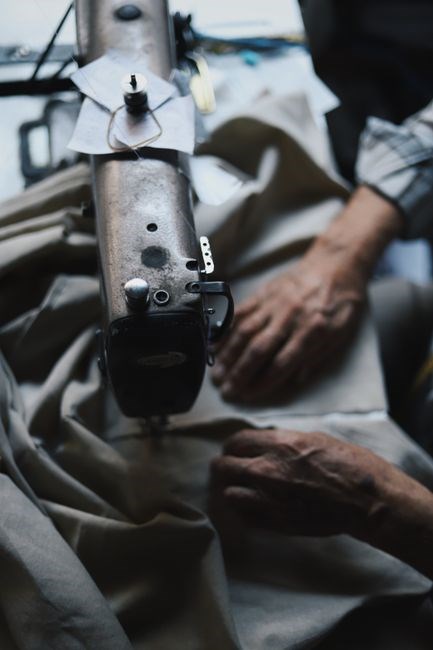
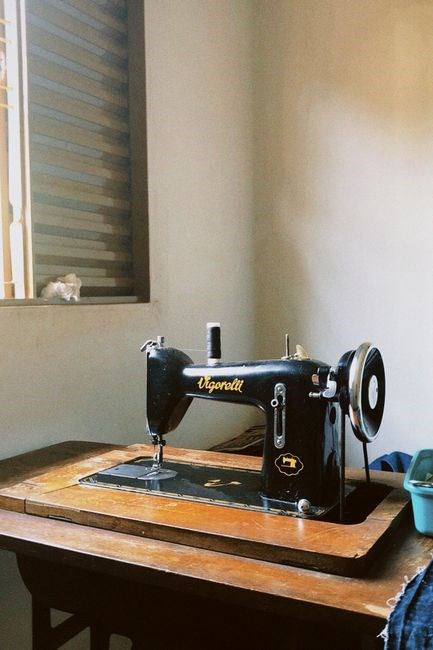
The 328K, a classic 1960s Singer model, offers robust construction and versatile stitch options. Its ergonomic design and reliable feed dogs make it ideal for both beginners and seasoned sewers seeking durable performance. Its balanced tension system ensures smooth operation across fabrics. OK!!
Historical Background
Collectors seek the 328K for its brass gear cluster, which remains a hallmark of Singer’s engineering excellence The machine’s foot pedal provides control, user comfort during sewing sessions Additionally, the 328K’s stitch selector can be calibrated to accommodate a range of thread tensions, making it versatile for lacework and canvas projects
The 328K was assembled in Singer’s Springfield, Illinois factory, where skilled machinists employed precision stamping and hand‑welding techniques to ensure each component met strict tolerances. The machine’s brass gear cluster, a signature feature, was cast from high‑grade alloy to provide smooth engagement and reduce wear. Singer’s engineers also introduced a self‑locking foot pedal, allowing users to lock the machine in place during intricate work, thereby improving accuracy and safety.
During the Singer 328K captured a significant share of the domestic sewing machine market, appealing to both amateur sewers and commercial tailors. Its ability to handle a wide range of fabrics, from delicate silks to heavy canvas, made it a versatile tool for home workshops and small garment shops. The machine’s durability and ease of maintenance contributed to its longevity, with many units still in operation today. Singer’s decision to produce a robust, user‑friendly machine set a benchmark that influenced subsequent models and helped cement the brand’s reputation for quality.
Collectors value the 328K not only for performance but also for nostalgic charm, often displayed as a centerpiece in sewing rooms. Its design continues to inspire machine enthusiasts.
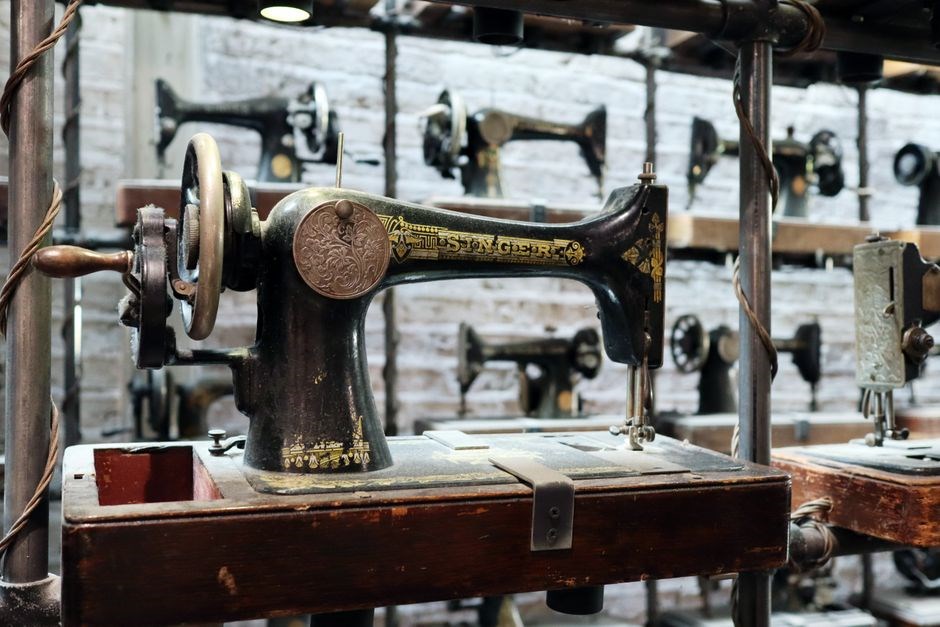
The Singer 328K, a staple of mid‑century craftsmanship, blends classic aesthetics with reliable engineering. Its brass gear cluster, a hallmark of Singer’s precision, delivers smooth engagement across a variety of fabrics. The machine’s foot pedal offers intuitive control, allowing users to lock the foot in place for delicate work or release it for faster stitching. A robust feed dog system ensures consistent thread tension, reducing skipped stitches and maintaining a steady rhythm. The 328K’s adjustable tension dial accommodates both lightweight cotton and heavier canvas, making it versatile for home projects and small‑scale commercial use. Its sturdy metal frame supports long hours of operation, while the built‑in thread cutter and bobbin winder simplify setup. The machine’s design includes a clear, well‑lit needle plate, facilitating accurate needle placement and minimizing misalignments. With a range of built‑in stitches—straight, zig‑zag, decorative, and chain—seamers can tackle a wide array of garments and crafts; The 328K’s user‑friendly interface, featuring a simple dial for stitch selection and a straightforward tension adjustment, makes it accessible to beginners while still offering depth for experienced users. Overall, the Singer 328K stands as a testament to Singer’s commitment to quality, durability, and functional design, ensuring that it remains a prized tool for sewing enthusiasts worldwide. Its enduring legacy continues to inspire modern sewers, who appreciate the machine’s blend of classic reliability and versatile performance today
Key Specifications
Weight: 12 lb. Power: 120 V/60 Hz. Thread capacity: 200 cm. Feed: 8‑speed. Stitches: 20+ types. Needle size: 10‑18. Bobbin: 4‑inch. Dimensions: 12×10×8 in. Operating speed: 200–800 spm. Warranty: 2 years.Bobbin capacity: 4‑inch. Power cord: 2 m. Feed dogs: 8‑speed.Needle: 10‑18.Thread: 200 cm.2m
Mechanical Features
The Singer 328K is engineered with a durable cast‑iron frame that delivers stability during high‑speed stitching. Its 8‑speed feed dog system, adjustable via the front lever, allows precise control of fabric feed from delicate silk to heavy canvas. The machine uses a standard 10‑18 needle set, with a smooth‑turning needle bar that reduces wear and ensures consistent stitch quality. A 4‑inch bobbin system, featuring a self‑locking bobbin case, prevents slippage and simplifies thread winding. The tension dial is calibrated for both straight and zig‑zag stitches, with a clear scale that enables fine adjustments. The foot‑pressure lever is ergonomically positioned to reduce hand fatigue, while the built‑in thread guide ensures even tension across the needle. The machine’s power cord is 2 m long, providing ample reach for the user. The 328K’s mechanical design includes a reinforced spindle that supports a variety of thread weights, and a quick‑release lever for rapid needle removal. All moving parts are lubricated with Singer’s proprietary grease, ensuring smooth operation over long periods. The machine’s overall dimensions are 12×10×8 in.,and it weighs 12 lb., making it portable yet robust. The 328K’s mechanical features collectively provide a reliable, versatile platform for both hobbyists and professional seamstresses alike, offering consistent performance across a wide range of fabrics and stitch types. Its robust construction also ensures longevity, making it a dependable tool for years!!
Stitch Options
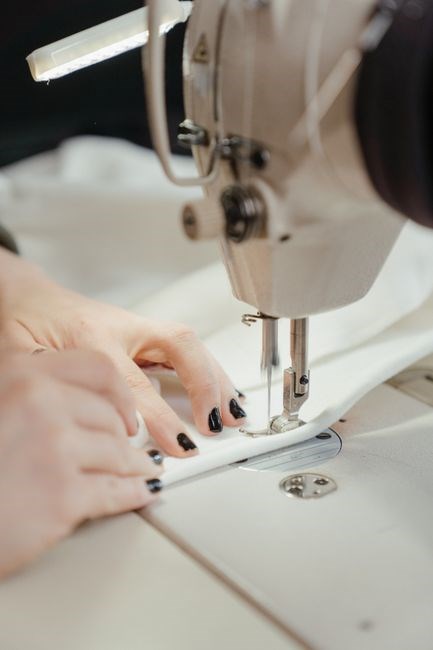
Furthermore, the 328K’s stitch selector is designed for quick, intuitive changes, with a tactile dial that feels smooth under the thumb. The machine supports a 90‑degree lock‑stitch for reinforced seams, and its adjustable stitch width allows for both narrow decorative lines and wide, bold patterns. Users can also employ the machine’s built‑in buttonhole feature for creating sturdy, professional buttonholes on a variety of fabrics, from lightweight cotton to heavy denim. The combination of these options gives the 328K a versatility that is rare among mid‑range machines, making it a valuable to
Safety and Precautions
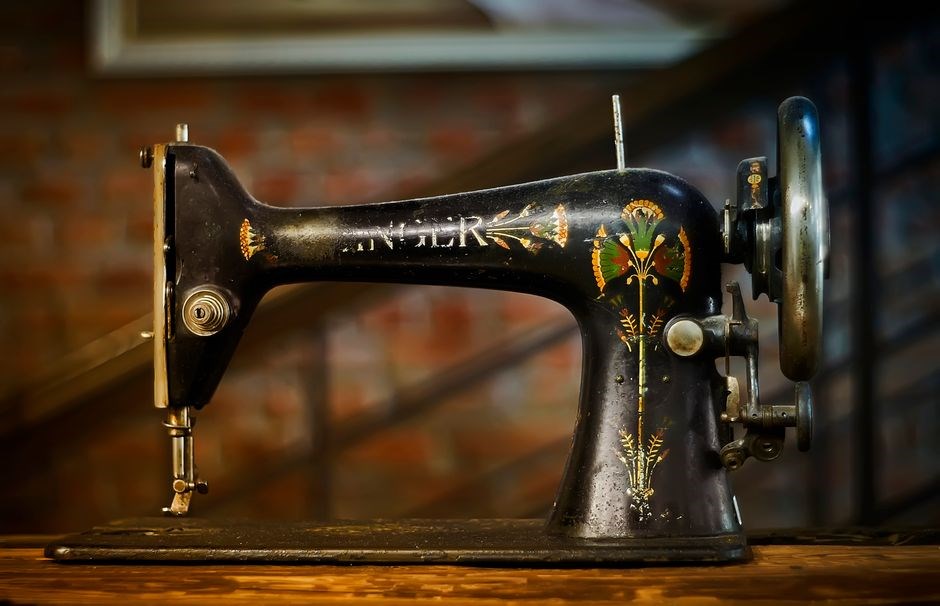
The Singer 328K requires careful handling. Keep hands away from the needle when powered. Check for loose parts before use. Ensure the machine is on a stable surface, and unplug during maintenance. Follow the manual’s safety warnings to prevent injury. Always wear eye protection. Use proper foot pedal.
General Safety Guidelines
Before operating the Singer 328K, read the full manual and ensure the machine is on a stable, level surface. Keep the work area well lit and free of clutter. Always unplug the power cord before performing maintenance, changing needles, or cleaning. Never attempt to repair the machine without proper training, as internal components are fragile and can cause injury. Use only the recommended needle size for the fabric type; incorrect needles can jam or break, risking cuts. When threading the machine, keep the fingers away from the needle bar and be mindful of the needle’s sharp point. Secure the fabric with a presser foot and adjust the tension knobs according to the manufacturer’s guidelines to avoid puckering or thread breakage. Do not block the feed dogs or use the machine with a damaged needle guard. If the machine stalls or the needle stops moving, immediately turn off the power and inspect for obstructions. Do not force the needle to move, as this can damage the mechanism. Always wear eye protection when operating the machine!!! Keep children and pets away from the sewing area to prevent accidental contact with moving parts. Store the machine in a dry place and cover it when not in use to protect it from dust and moisture. Follow the manufacturer’s instructions for cleaning the bobbin case, feed dogs, and needle plate. By adhering to these safety practices, you can enjoy a safe and productive sewing experience with the Singer 328K
Electrical Safety
Always verify that the Singer 328K matches your local voltage (120 V or 240 V) and use the supplied power cord. Never use a frayed or damaged cord; replace it immediately. Keep the cord away from heat, moving parts, and conductive surfaces. When plugging in, hold the plug firmly with both hands and avoid twisting the cord. Use a dedicated circuit if the outlet is shared with high‑current appliances to reduce breaker tripping. Grounding is essential; the machine’s metal chassis must be connected to a grounded outlet to prevent shock. Inspect outlets for wear, loose connections, or exposed wires; discontinue use if any are present. Unplug the machine when not in use and store it in a dry, dust‑free area. Avoid covering the power switch or cord with fabric or other materials that could obstruct airflow or create a fire hazard. Do not modify the power supply or use an unapproved transformer. Keep electrical components free from moisture and dust; clean with a soft, dry cloth. If the machine overheats, turn it off, unplug it, and allow it to cool before inspecting. Follow the manufacturer’s maintenance schedule and consult a qualified electrician for repairs. Read warning labels and never operate if the outlet shows arcing or sparking. These precautions protect the Singer 328K and its operator from electrical hazards. Follow these steps to ensure safe, reliable operation. Maintain the machine well and daily
Setup and Installation
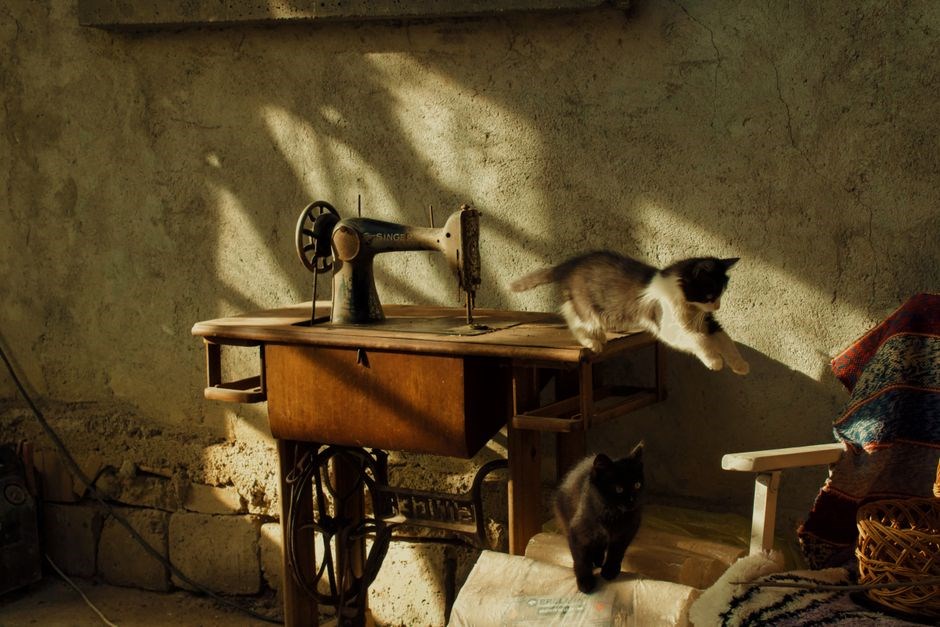
Unpack the Singer 328K, inspect parts, place on a stable surface, connect the power cord to a grounded outlet, and secure the foot pedal. Verify the machine is level before turning on. Follow manual steps for initial setup. Ensure grounding and test. prior use
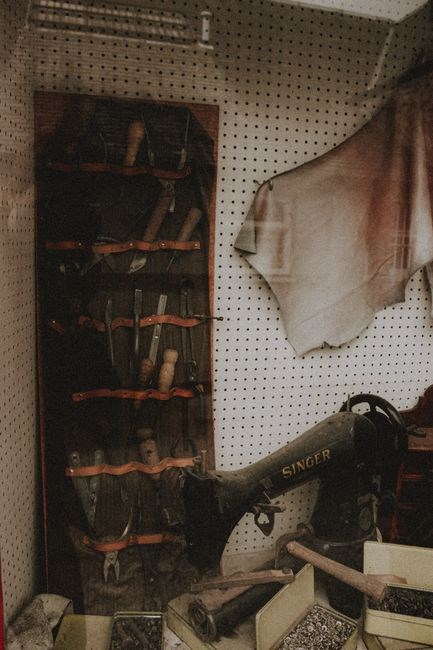
Unpacking and Inspection
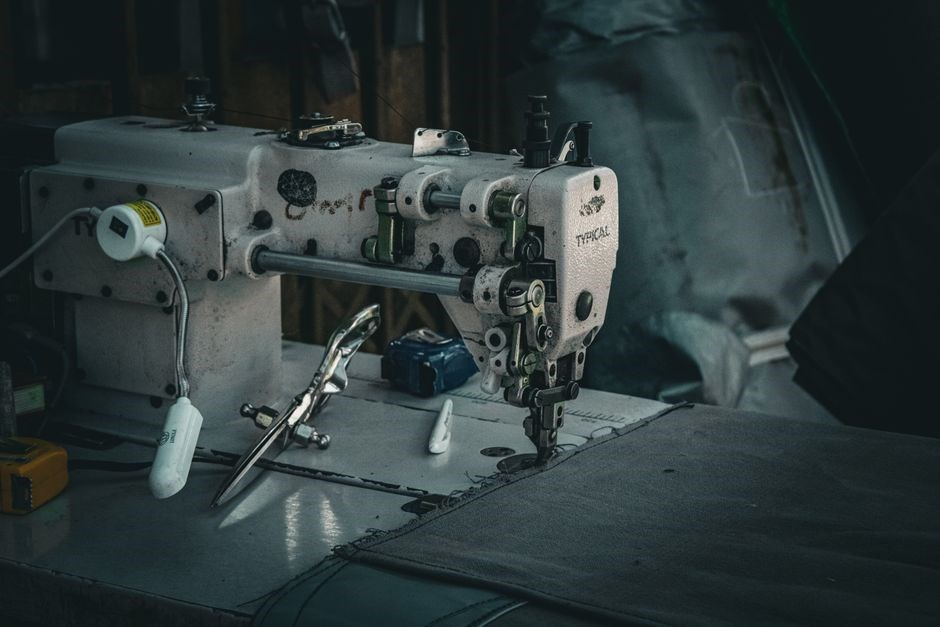
Begin by carefully removing the Singer 328K from its packaging. Inspect the outer box for damage; note any dents or broken seals that may indicate mishandling during transit. Open the box with a clean, dry cloth to avoid scratching the machine’s finish. Lay the machine on a flat, stable surface and verify that all included accessories—spool, thread, needle, foot pedal, and power cord—are present and undamaged. Carefully examine the machine’s exterior for scratches, dents, or loose screws, and check the internal components for dust or debris. Use a soft brush or compressed air to clean the feed dogs, bobbin area, and needle plate, ensuring smooth operation. Verify the needle is correctly seated and the tension levers are in the neutral position. Finally, consult the manual’s checklist to confirm that every part matches the model’s specifications before proceeding to power‑on and setup. This thorough inspection safeguards performance and prolongs the machine’s lifespan.
After the initial inspection, it is advisable to perform a functional test. Place a piece of fabric on the table, secure it with the presser foot, and run the machine through a few stitches to ensure the feed dogs are moving correctly and the needle is not bent. Observe the tension by checking the fabric’s rise; adjust the front and rear tension levers if necessary. Inspect the bobbin case for proper winding and ensure the bobbin is seated correctly. Finally, clean the machine’s exterior with a damp cloth, dry it, and store the machine in a dry, dustfree environment to maintain its condition over time.
Power and Electrical Connections
Before powering the Singer 328K, locate the 110‑V AC power cord that comes with the machine. The cord’s plug should match the outlet type in your country; if you are in a region that uses 220‑V, a step‑down transformer is required. Unplug the machine from any previous source and inspect the cord for fraying, cuts, or exposed wires. A damaged cord must be replaced immediately to avoid electrical shock or fire hazards. Connect the cord to the machine’s rear power socket, ensuring the plug is fully seated. The machine’s power switch is situated on the front left side; flip it to the “ON” position only after the cord is securely connected. Once the switch is on, the indicator light should illuminate, confirming that the machine has received power. If the light fails to turn on, double‑check the outlet by plugging in a known working device, and verify that the circuit breaker has not tripped. It is prudent to use a surge protector to safeguard the machine against voltage spikes, especially in areas prone to electrical instability. Finally, keep the power cord away from moving parts, heat sources, and water to maintain safety during operation. Proper electrical setup ensures reliable performance and extends the lifespan of the Singer 328K.
Keep the power cord in good condition and avoid running it over sharp edges or hot surfaces. Replace any frayed or exposed wires immediately. Store the machine in a area and cover it with a dust cloth when not in use!
Operating Instructions
Turn on the machine, thread the needle, select a stitch, place fabric under the presser foot, lower the foot, and begin stitching. Use the foot pedal to control speed.
Keep the machine clean and change the needle regularly for best results.
Stitching. 123!
Threading the Machine
Begin by lifting the needle to the highest position with the needle bar lever. Place the thread on the back spool, pull it through the thread guide, and then through the needle eye. Follow the illustrated path: from the back spool to the front spool, across the tension disc, and through the needle. Ensure the thread is not twisted. Next, feed the thread through the upper thread guide, then the lower thread guide, and finally through the needle’s eye. After threading, pull the thread to the front of the machine and secure it with the tension lever. Test the thread by pulling it gently; if it slides smoothly, the machine is ready for stitching. If the thread breaks or jams, rethread and adjust tension as needed. Always keep the thread spool in place to avoid tangling. For best results, use a a polyester orcotton thread fabric type.
When threading, always keep the thread spool in the correct orientation; the thread should run from the back spool to the front spool, then over the tension disc. The tension disc must be centered and not obstructed. After threading, lift the needle bar lever to the top position, then lower it to engage the needle. Check that the thread passes through the needle eye without snagging. If the thread breaks, rethread and adjust the tension dial until the thread holds steady. For delicate fabrics, use a lighter thread and reduce the tension slightly. For heavier fabrics, increase tension to prevent puckering. Verify tension before cutting now!!
Selecting and Adjusting Stitches
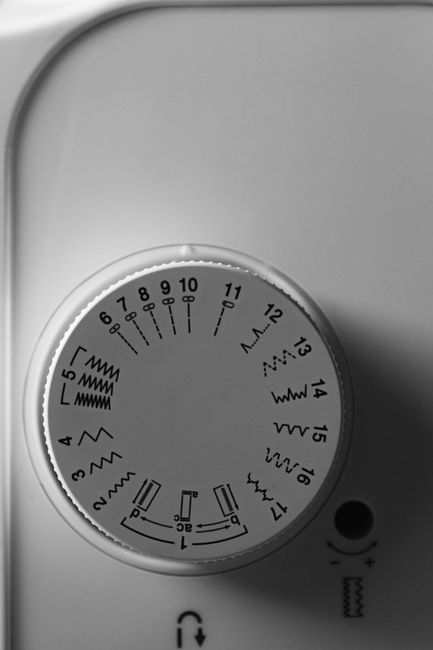
To choose a stitch, turn the stitch selector knob until the desired pattern appears on the display. For the Singer 328K, the knob has 12 positions: straight, zigzag, decorative, and specialty stitches. After selecting, adjust the stitch length by rotating the length dial clockwise for longer stitches or counter‑clockwise for shorter ones. The machine’s built‑in tension dial controls stitch depth; increase tension for thicker fabrics and decrease for lightweight materials. Use the stitch width lever to widen or narrow zigzag stitches. For decorative stitches, press the corresponding button to preview the pattern before cutting the thread. When changing stitch types, always reset the tension to the factory setting (usually 5) to avoid puckering. Test the stitch on a scrap piece, adjust the length or width if necessary, and repeat until the result is satisfactory. Remember to keep the machine’s needle at the top position during adjustments to prevent damage. Once satisfied, lock the selector knob and begin sewing. This process ensures consistent stitch quality across various fabrics. Enjoy precise, reliable stitching with the Singer 328K.
Fine‑tuning stitch length and width is key. Turn the length dial for longer stitches, or the width lever for a broader zigzag. Use preview mode to spot mis‑alignment before sewing. After adjustments, test on a scrap to confirm. Keep the needle in the top position during adjustments to protect the feed dogs quickly.